
Kitchen seasonings, these nine types of seasonings need to be distinguished, have you used them all right?
Release Time:
2021-02-20
In addition to the quality of vegetables, it is inseparable from the seasoning to determine whether the dishes are delicious! Kitchen seasonings, these nine types of seasonings need to be distinguished, have you used them all right?
In addition to the quality of vegetables, it is inseparable from the seasoning to determine whether the dishes are delicious! Kitchen seasonings, these nine types of seasonings need to be distinguished, have you used them all right?
1.Grease
Oil has a heat transfer effect, which can make dishes appear tender or crispy. However, excessive use can easily lead to cardiovascular and cerebrovascular disease. It is recommended that the daily intake of 25g per person is the best. Can choose tea seed oil, linseed oil, olive oil, peanut oil, corn oil and other vegetable oils that have no significant effect on blood lipids and atherosclerosis.
2.Table salt
Salt is the most commonly used condiment. With salt as the basic flavor, many flavor types can be concocted, so it is called "the ancestor of a hundred flavors". The best time to add salt when cooking is when the stir-fry is eighth mature, because salt is easier to taste at this time. The recommended daily intake is 6-10 grams, long-term excessive consumption can easily cause hypertension. Patients with kidney disease and liver cirrhosis should strictly control salt intake, and children should not eat too much salt.
3.Sugar
The purity of white sugar is high, but the nutrient content is very small. It is recommended to use more nutritious brown sugar.
4.Soy sauce
Soy sauce is mainly salty, which can increase and improve the taste of dishes and add or change the color of dishes. It is recommended to buy purely brewed soy sauce without additives. You can choose products with simple ingredients, high nitrogen content, special grade or first grade according to the label.
5.Vinegar
Vinegar is mainly sour, which is the main raw material of sweet and sour taste. It is also recommended that you choose purely brewed vinegar without additives.
6.Fresh food
1) Monosodium glutamate and mushroom essence are often used to improve freshness, but they are not recommended due to excessive chemical components. Can be replaced with vegetarian soup.
2) Vegetarian oyster sauce: It is refined from shiitake mushrooms and seaweed, suitable for cooking a variety of ingredients.
7.Sauces
There are many kinds of sauces, such as bean paste, sweet noodle paste, tomato sauce, tempeh, sesame paste, chopped pepper paste, pickled pepper paste, etc. You can choose according to different cuisines.
8.Spices
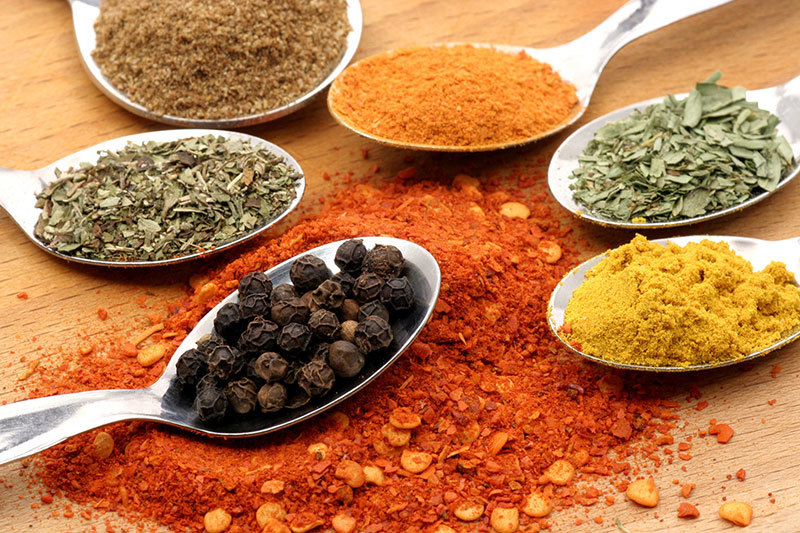
Spices are the general term for seasonings made from dried plant seeds, fruits, roots, and bark, which play a role in flavor adjustment. Commonly used spices are Chinese pepper, aniseed, cumin, nutmeg, herb, alpinia, bay leaf, five spice powder, curry powder, thirteen incense and so on.
9.Starch
Starch is used to thicken, paste and sizing to prevent the loss or destruction of nutrients.
Kitchen seasonings, these nine types of seasonings need to be distinguished, have you used them all right?
Related News
Jiangmen Guanghui Food Co., Ltd.
Add: Fenyang Industrial Development Zone, Qibao, Huicheng, Xinhui District, Jiangmen, Guangdong, China
Tel: +86-750-6496178
Email: michelle@jmghfoods.com
Copyright © 2023 Jiangmen Guanghui Food Co., Ltd.